Epiphany, also known as Three Kings’ Day or Theophany, is a Christian holiday celebrated annually on Jan. 6.
While its significance and traditions vary around the world, it marks a moment of great revelation in the Christian faith — the manifestation of Jesus Christ to the world.
Let’s dive into the history, religious significance and unique ways Epiphany is celebrated globally.
What Is Epiphany?
The word “Epiphany” comes from the Greek epiphaneia, meaning “appearance” or “manifestation.” The holiday commemorates two key events:
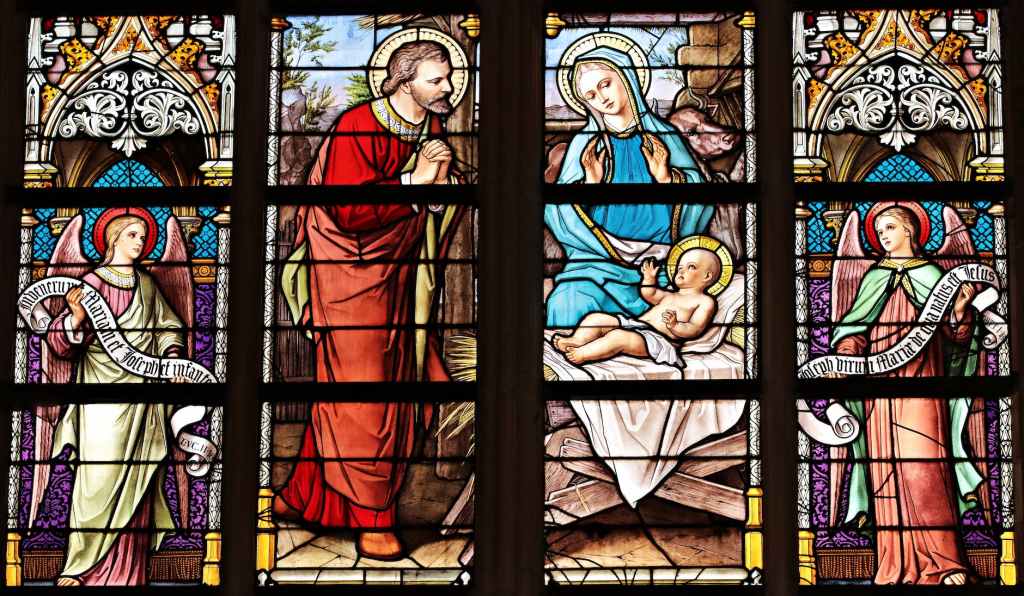
- The Visit of the Magi (or Three Wise Men): In Western Christianity, Epiphany celebrates the arrival of the Magi — traditionally named Melchior, Caspar and Balthazar — who followed a star to Bethlehem to honor the infant Jesus. Their gifts of gold, frankincense and myrrh symbolized Jesus’s kingship, divinity and sacrifice.
- The Baptism of Jesus: In Eastern Christianity, Epiphany focuses on Jesus’s baptism in the Jordan River by John the Baptist, when the heavens opened and God declared Jesus as His son.
Epiphany is considered the 12th and final day of Christmas, concluding the festive season for many Christian traditions.
Other Names for Epiphany
- Three Kings’ Day (in many Western traditions)
- Theophany (meaning “manifestation of God,” particularly in Eastern Orthodoxy)
- Día de los Reyes (Spanish-speaking countries)
- La Befana (in Italy, celebrated with a folklore twist)
- Timkat (Ethiopia’s Orthodox Christian celebration)
Who Celebrates Epiphany?
Epiphany is observed by Christians around the world, though the focus and customs differ between Western and Eastern Christian traditions:
- Western Christians: Roman Catholics, Anglicans and many Protestants emphasize the visit of the Magi.
- Eastern Christians: Eastern Orthodox, Oriental Orthodox and some Eastern Catholic Churches highlight Jesus’s baptism.
Traditions and Customs Around the World
Epiphany customs reflect local cultures, but the central themes of light, revelation and celebration unite them.
Europe
- Spain and Latin America: Known as Día de los Reyes, Epiphany is a major holiday. Children leave out shoes for the Three Kings to fill with gifts, akin to Santa Claus. Festivities include parades, music and the sharing of Rosca de Reyes (a sweet bread with a hidden figurine of baby Jesus).
- Italy: Children receive gifts from La Befana, a kindly witch who visits on Epiphany Eve. According to folklore, she was invited to visit Jesus by the Magi but arrived late, and now she gives gifts to children in his honor.
- France: Families enjoy Galette des Rois (King Cake), a flaky pastry with a hidden charm or bean. The person who finds the charm becomes “king” or “queen” for the day.
- Germany and Austria: Sternsinger (star singers) go door to door, dressed as the Three Kings, singing carols and blessing homes with chalk markings like “20+C+M+B+25” (representing the year and the Latin phrase Christus Mansionem Benedicat, or “May Christ bless this house”).
Eastern Europe and Russia
- Orthodox Christians celebrate Epiphany with the Blessing of the Waters, symbolizing Jesus’s baptism. In some countries, believers plunge into icy rivers or lakes to reenact the baptism.
Africa
- In Ethiopia, Timkat is one of the most important celebrations. It involves vibrant processions, prayers and the reenactment of Jesus’s baptism with a ritual immersion in water.
The Americas
- Puerto Rico and Mexico: Epiphany is the main day for gift-giving during the Christmas season. Parades and pageantry commemorate the journey of the Magi.
- United States: King Cake is a popular tradition in regions like Louisiana, tying into Mardi Gras celebrations that begin after Epiphany.
Religious Significance
Epiphany reflects universal themes of revelation, guidance and faith. It celebrates the light of Christ shining into the world and being revealed to all — symbolized by the star guiding the Magi or the Holy Spirit descending at Jesus’s baptism. For Christians, it’s a reminder of God’s presence in everyday life and the call to spread His love and light.
How Is Epiphany Celebrated Today?
For some, Epiphany is a religious observance marked by church services, prayers and scripture readings.
For others, it’s a joyful cultural holiday with gifts, food and festive traditions.
While the specific customs may differ, the heart of Epiphany remains the same: a celebration of hope, light and divine revelation.