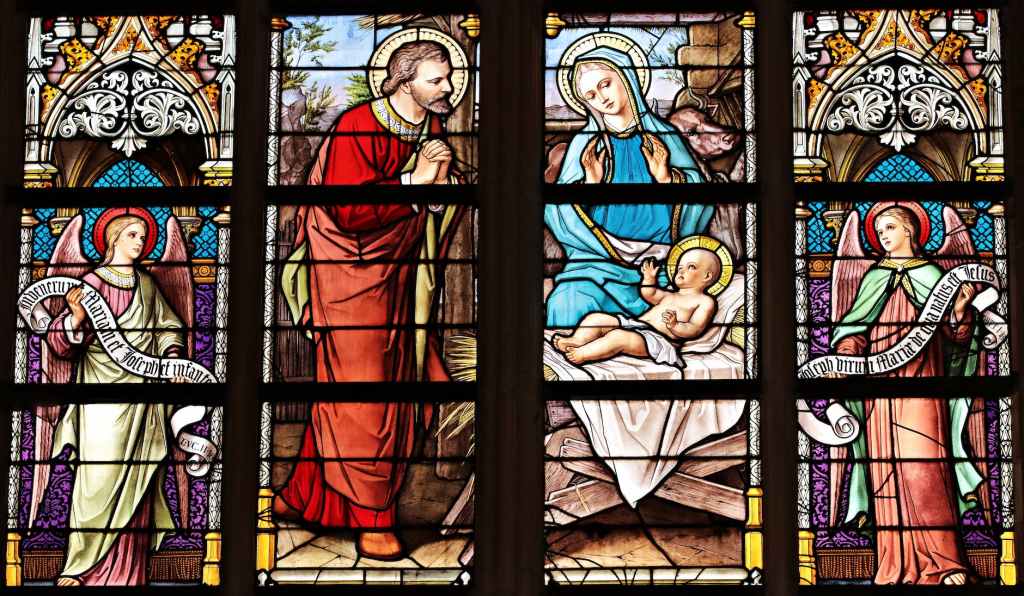
The “12 Days of Christmas” is not just a whimsical holiday song; it holds religious significance, particularly in Western Christianity. Commencing on Dec. 25 and concluding on Jan. 5, these twelve days symbolize the story of the period between the celebrated date of the birth of Jesus Christ and the arrival of the Magi, or Wise Men, on Epiphany (Jan. 6).
Religious beliefs suggest that each day of the “12 Days of Christmas” song is said to represent a gift or blessing. For example, the partridge in a pear tree is often interpreted as Christ symbolically watching over believers, and the two turtle doves may represent the Old and New Testaments. Religious beliefs also suggest the gifts mentioned in the song, from lords a-leaping to drummers drumming, are believed to convey various aspects of Christian doctrine and virtues.
The significance of the 12 days is rooted in the liturgical calendar. Dec. 25 marks Christmas Day, commemorating the celebrated date of the birth of Jesus. The following days, often referred to as Christmastide or the Twelve Days of Christmas, are dedicated to reflecting on different aspects of the Christian faith. The twelfth day, Jan. 5, culminates in the celebration of Epiphany, recognizing the manifestation of Jesus to the Gentiles through the visitation of the Magi.
During these twelve days, Christians engage in special worship services, prayers, and reflections on the Nativity. The period is characterized by joy and festive celebrations, echoing the proclamation of goodwill and peace heralded by the angels at Jesus’ birth.
Observing the 12 days emphasizes a holistic understanding of the religious story of the Christmas season, moving beyond the cultural focus on Dec. 25. It encourages believers to contemplate the profound mysteries of the story of the incarnation and the unfolding revelation of the story of Christ to the world.







 It's Christmas 365