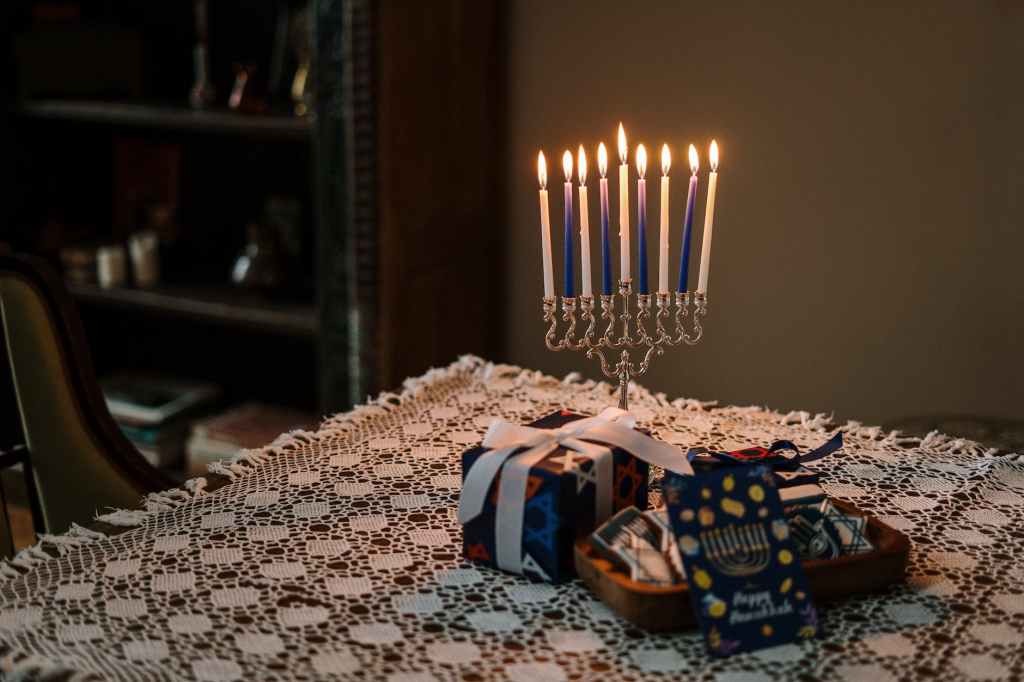
Hanukkah in 2025 will be observed from sundown Dec. 14 through Dec. 22.
The dates shift each year because the festival follows the Hebrew calendar, which is based on a mix of lunar and solar cycles rather than the Gregorian calendar used in most day-to-day life.
The story behind Hanukkah dates back more than 2,000 years to the 2nd century BCE, when Judea was under the control of Seleucid ruler Antiochus IV.
His efforts to suppress Jewish religious practices included outlawing core traditions and desecrating the Temple in Jerusalem.
A small Jewish resistance group — the Maccabees, led by Judah Maccabee — eventually fought back.
Their unexpected victory led to the recapture of Jerusalem and the rededication of the Temple, an event that gives the holiday its name.
“Hanukkah” comes from the Hebrew word for dedication.
According to tradition, the Maccabees found only a single day’s supply of oil to light the Temple’s menorah.
Instead of burning out overnight, the oil lasted eight days — long enough for a new supply to be prepared.
That moment is commemorated each year as families light the menorah one candle at a time, often marking each night with blessings, songs, and foods like latkes and sufganiyot.
Although Hanukkah is among the most widely recognized Jewish holidays, it is not considered one of the most theologically significant.
Rosh Hashanah and Yom Kippur, which make up the High Holy Days, carry far greater spiritual weight.
Those observances focus on reflection, renewal, and repentance, while Hanukkah primarily commemorates a historic struggle for religious freedom.




 It's Christmas 365