Hanukkah, also known as the Festival of Lights, is a beautiful and meaningful celebration that brings families and communities together to honor faith, perseverance and joy. Rooted in history and rich with traditions, the eight-day holiday is observed with a mix of religious ceremonies, cherished family customs and, of course, delicious foods. Here are some of the key traditions that make Hanukkah such a special time of year.
Lighting the menorah
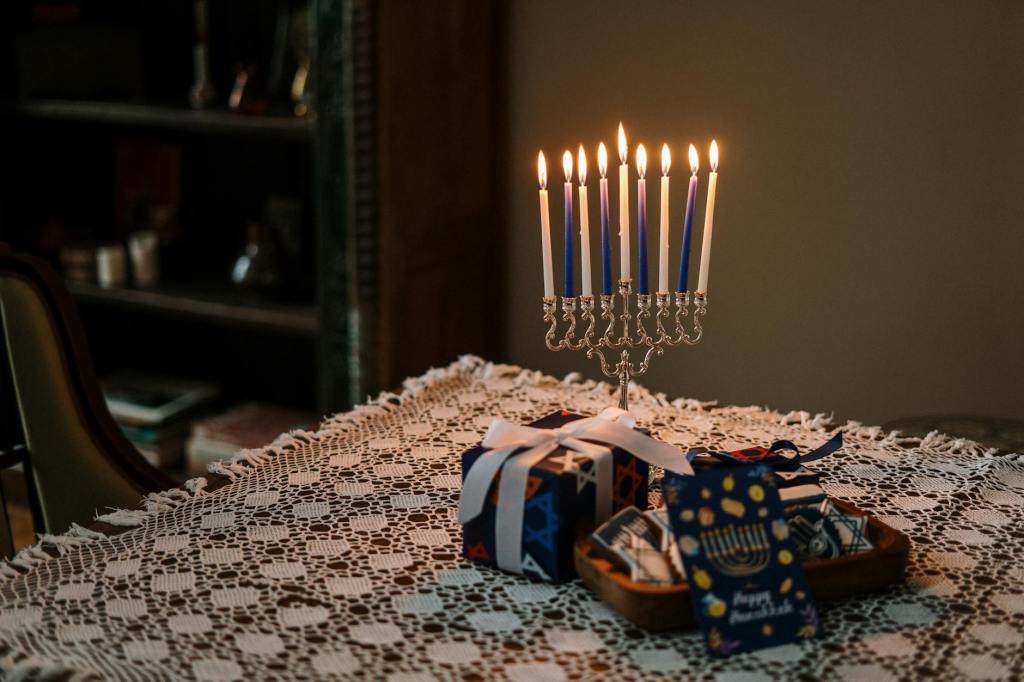
At the heart of Hanukkah is the lighting of the menorah, a nine-branched candelabrum. Each night, one additional candle is lit using the shamash (“helper”) candle until all eight candles shine brightly. This tradition commemorates the miracle of the oil, when a small amount of oil in the Holy Temple miraculously burned for eight days. Families gather around the menorah to recite blessings, sing songs like “Maoz Tzur” and reflect on the holiday’s meaning.
Playing dreidel
A favorite tradition for children and adults alike is playing with the dreidel, a spinning top with four Hebrew letters: nun, gimel, hei and shin. These letters stand for the phrase “Nes Gadol Haya Sham,” which means “A great miracle happened there.” The dreidel game involves small bets with chocolate coins (gelt), nuts or other treats, adding a playful element to the holiday while teaching the story of Hanukkah.
Traditional foods
Food plays a central role in Hanukkah celebrations, especially dishes fried in oil to honor the miracle of the oil. Some of the most beloved Hanukkah foods include:
- Latkes: These crispy potato pancakes are often served with applesauce or sour cream and are a staple at Hanukkah gatherings.
- Sufganiyot: Jelly-filled doughnuts dusted with powdered sugar are a sweet and festive treat enjoyed throughout the holiday.
- Brisket and Kugel: While not fried, hearty dishes like brisket (a slow-cooked beef dish) and kugel (a baked pudding or casserole) are often part of traditional Hanukkah meals, bringing families together around the table.
Giving gelt and gifts
The tradition of giving gelt (chocolate coins or real money) dates back centuries and adds a fun twist to Hanukkah celebrations. In modern times, families may also exchange small gifts each night, especially for children. While not a historic part of Hanukkah, the custom of gift-giving has become a popular way to bring joy and excitement to the holiday.
Family and community celebrations
Hanukkah is a time for togetherness, whether through family gatherings, community events or synagogue celebrations. Families may host festive dinners, play music and share stories of the Maccabees’ triumph. Many communities organize menorah lightings, concerts and events that spread the message of light and hope.



 It's Christmas 365