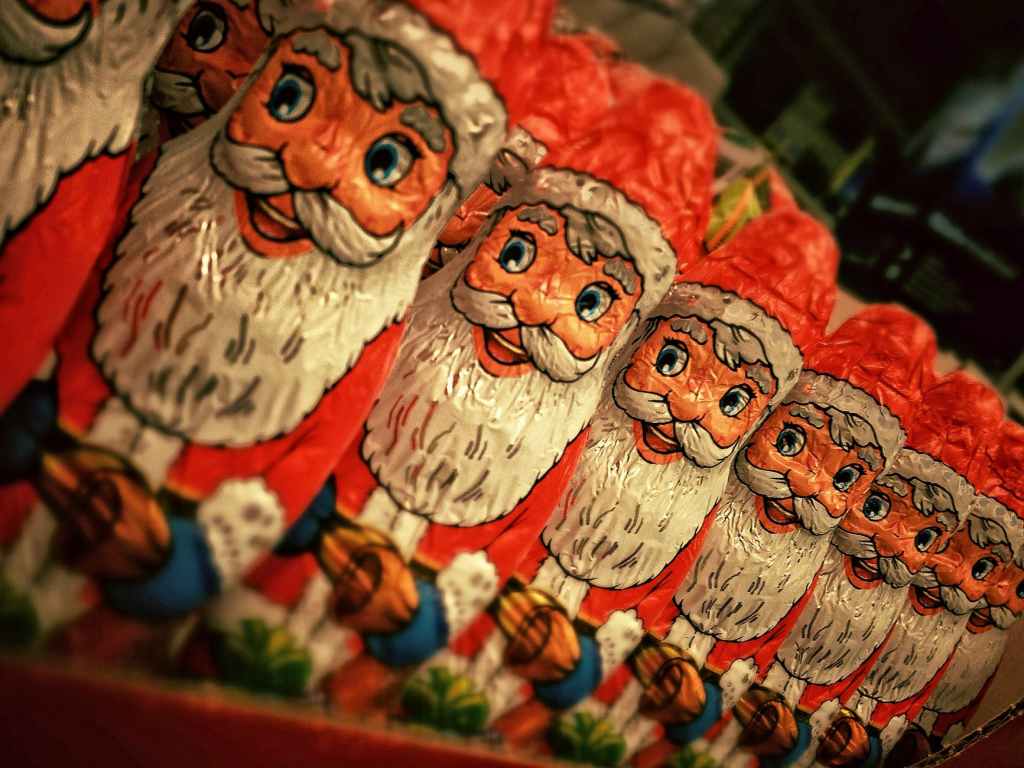
Santa Claus, the jolly figure known for bringing gifts to children around the world, has a rich history that spans centuries and continents.
This beloved character has evolved through various cultural influences, resulting in diverse interpretations of the gift-giving figure we know today.
Let’s take a sleigh ride into the myths and legends surrounding Santa Claus and explore how different cultures celebrate this festive season.
The origins of Santa Claus: St. Nicholas 🎄
The modern image of Santa Claus can be traced back to St. Nicholas, a 4th-century bishop known for his generosity and kindness. Born in what is now Turkey, St. Nicholas became famous for secretly giving gifts to those in need, including a story where he provided dowries for three impoverished sisters. His legacy of gift-giving laid the foundation for the traditions surrounding Santa Claus.
Sinterklaas: The Dutch influence 🇳🇱
In the Netherlands, the figure of Sinterklaas is celebrated on December 5th during the festival of Sinterklaasavond. Sinterklaas, dressed in a bishop’s robe and mitre, arrives on a steamboat from Spain, accompanied by his helpers, known as Zwarte Piet. Children place their shoes out, hoping for gifts or treats. The tradition of Sinterklaas significantly influenced the American version of Santa Claus, particularly through Dutch settlers in New York.
Ded Moroz: The Russian gift-bringer ❄️
In Russia, Ded Moroz, or Grandfather Frost, is a key figure during the New Year celebrations. Unlike Santa Claus, Ded Moroz does not arrive on Christmas but instead brings gifts on New Year’s Eve. He is often depicted as a tall, slender man with a long beard, wearing a blue or red fur coat. Accompanied by his granddaughter, Snegurochka (the Snow Maiden), he visits children, distributing presents and spreading holiday cheer.
La Befana: The Italian Christmas witch 🎭
In Italy, the legend of La Befana offers a unique twist on the holiday gift-giver. La Befana is an old woman who delivers gifts to children on Epiphany Eve (January 5th). According to legend, she was visited by the Three Wise Men on their way to find the Christ child. Unable to join them, she decided to search for him herself and has been delivering gifts ever since. La Befana is known for her love of sweets, often leaving candy for well-behaved children.
Christkind: The German gift-bringer 🎁
In German-speaking countries, the Christkind, or Christ Child, is a popular figure associated with gift-giving. Traditionally depicted as a young child with angelic features, the Christkind is said to deliver presents on Christmas Eve. The practice of celebrating Christmas markets and Advent calendars in Germany also contributed to the modern Christmas traditions, influencing Santa Claus’s portrayal in various cultures.
Father Christmas: The British version 🎅
In the United Kingdom, the figure of Father Christmas has roots in ancient pagan traditions. He was originally associated with feasting and merriment during the winter solstice. Over time, Father Christmas evolved into a figure similar to Santa Claus, embodying the spirit of generosity and joy during the Christmas season. Today, he is often depicted wearing a long, flowing robe instead of the red suit commonly associated with Santa.
Santa Claus in popular culture 🌍
The 19th and 20th centuries saw Santa Claus gain global recognition, largely due to literature and media. The publication of “A Visit from St. Nicholas” (commonly known as “The Night Before Christmas”) in 1823 played a significant role in shaping the modern image of Santa Claus, describing him as a plump, jolly man who travels in a sleigh pulled by reindeer. Movies, advertisements and songs further solidified this portrayal, making Santa a staple of Christmas celebrations worldwide.
Conclusion: a global icon of generosity 🌟
The history of Santa Claus is a fascinating tapestry woven from various cultural influences and traditions. From St. Nicholas to Sinterklaas, Ded Moroz, La Befana and beyond, the figure of Santa Claus embodies the spirit of giving, joy, and kindness that transcends borders. As we celebrate the holiday season, let us remember the diverse legends that inspire our celebrations, bringing a touch of magic and goodwill to all.





 It's Christmas 365