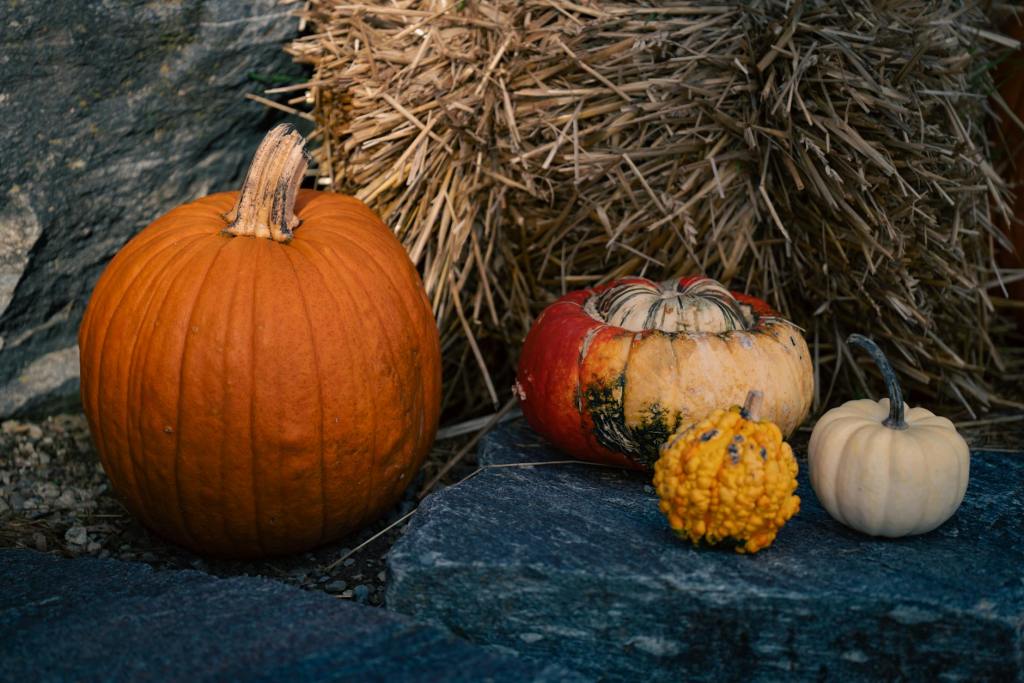
Halloween, celebrated on Oct. 31, is a holiday filled with spooky costumes, trick-or-treating and eerie decorations.
However, the origins of Halloween are rich and complex, rooted in ancient traditions and cultural practices.
Join us as we explore the fascinating history of Halloween and how it has evolved into the festive occasion we know today.
The origins: Samhain and ancient Celtic traditions 🍂
Halloween’s history dates back over 2,000 years to the ancient Celtic festival of Samhain, which marked the end of the harvest season and the beginning of winter. The Celts believed that on the night of Oct. 31, the boundary between the living and the dead blurred, allowing spirits to roam the earth. To honor and appease these spirits, they lit bonfires and offered sacrifices, often wearing costumes made of animal skins.
Christian influences: All Hallows’ Eve ⛪
As Christianity spread throughout Europe, it began to intertwine with pagan traditions. In the 8th century, Pope Gregory III designated Nov. 1 as All Saints’ Day, a day to honor all saints and martyrs. The evening before, Oct. 31, became known as All Hallows’ Eve, which eventually evolved into Halloween. This new holiday retained some of the older customs, merging them with Christian practices.
The rise of Halloween in America 🇺🇸
Halloween was brought to America by Irish immigrants fleeing the Great Famine in the 1840s. They brought their customs, including the tradition of carving turnips into lanterns to ward off evil spirits. In the United States, pumpkins soon replaced turnips due to their abundance and ease of carving. As Halloween gained popularity, it evolved into a more community-centered holiday, with parties, games and activities.
Trick-or-treating: a modern tradition 🍬
The tradition of trick-or-treating has its roots in several customs. One of these is “souling,” a practice in which the poor would go door-to-door on All Hallows’ Eve, offering prayers for the dead in exchange for food. Another influence comes from the medieval practice of “guising,” where children dressed in costumes and performed songs or tricks in exchange for treats. By the mid-20th century, trick-or-treating became a popular Halloween tradition in America, complete with costumes and candy.
The commercialization of Halloween 🎉
As Halloween grew in popularity, it also became commercialized. In the late 20th century, Halloween transformed into a major retail holiday, with costume sales, decorations and candy becoming big business. Today, Halloween is celebrated not only in the United States but also in various countries around the world, each adding its unique twist to the festivities.
Halloween today: a blend of tradition and fun 🎭
Modern Halloween celebrations encompass a mix of ancient traditions and contemporary festivities. People of all ages participate in costume parties, haunted houses and pumpkin carving contests. The holiday has also become a significant cultural event, inspiring movies, literature and music that capture the spirit of Halloween.




 It's Christmas 365