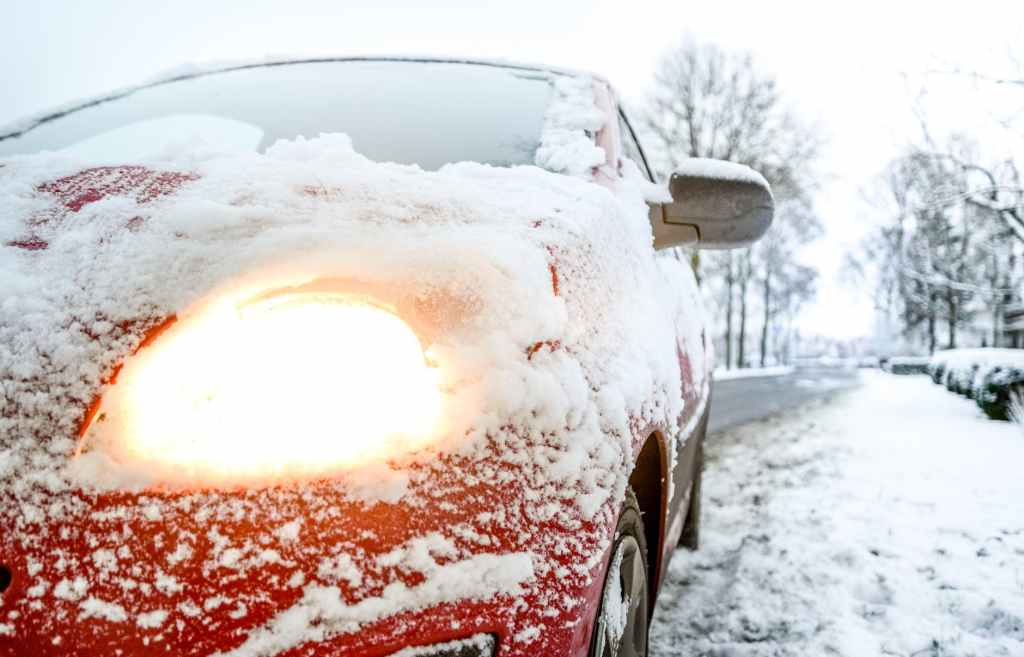
As winter blankets the landscape in a glistening layer of snow, the roads can sometimes be transformed into challenging terrains that demand heightened attention and precaution. Safe driving in snowy conditions requires a combination of preparation, awareness and adherence to key habits. Here are essential safe driving practices to help you navigate winter with confidence.
Prepare your vehicle
Before hitting the snowy roads, ensure your vehicle is winter-ready. Check your tire tread depth and consider switching to winter tires for enhanced traction. Test your brakes, replace worn-out wiper blades, and top up essential fluids, including antifreeze. Keep your gas tank at least half full to prevent fuel line freezing, and carry a winter emergency kit with essentials like a blanket, flashlight, and jumper cables.
Slow down and increase following distance
Snowy roads can be slippery, reducing traction and increasing stopping distances. Reduce your speed and maintain a safe following distance from the vehicle in front of you. Sudden movements or hard braking on icy roads can lead to skidding, so gentle acceleration and braking are crucial.
Be gentle on the controls
Smooth and gradual movements with the steering wheel, accelerator, and brakes are key in snowy conditions. Abrupt actions can lead to loss of control. Practice controlled, deliberate motions to maintain stability and prevent skidding.
Use low beams and clear snow buildup
Visibility is often compromised during snowy weather. Use low beams to improve visibility, and keep your lights and windows clear of snow and ice. Remove accumulated snow from your headlights, taillights and windows before setting out. This ensures you can see and be seen by other drivers.
Avoid cruise control
While cruise control is convenient in normal conditions, it’s best to avoid using it on snowy or icy roads. Maintaining direct control over your vehicle’s speed allows you to react quickly to changing road conditions, reducing the risk of skidding or losing control.
Know your braking system
Understand the type of braking system in your vehicle. Antilock Brake Systems (ABS) require continuous, firm pressure on the brake pedal during a stop. If you have conventional brakes, practice pumping the brakes in slippery conditions to prevent wheel lockup.
Stay informed and plan ahead
Check weather forecasts and road conditions before embarking on a winter journey. Plan your route, allowing extra time for potential delays. Be aware of road closures or advisories and adjust your plans accordingly. Inform someone about your travel plans and expected arrival time.
Use caution on bridges and overpasses
Bridges and overpasses freeze faster than regular roadways due to exposure to cold air on both sides. Approach these structures with extra caution, anticipating potential ice patches. Slow down when crossing elevated structures to maintain control.
Practice safe maneuvers
If your vehicle begins to skid, remain calm. Steer in the direction you want to go, avoid slamming on the brakes, and gently accelerate to regain traction. For rear-wheel skids, steer in the direction you want to go, while front-wheel skids require a shift to neutral and steering correction.
Know when to stay home
Sometimes the safest decision is to avoid driving altogether. If conditions are severe, consider postponing your trip or finding alternative transportation. Safety should always be the top priority, and if road conditions are treacherous, it’s better to wait until they improve.





 It's Christmas 365