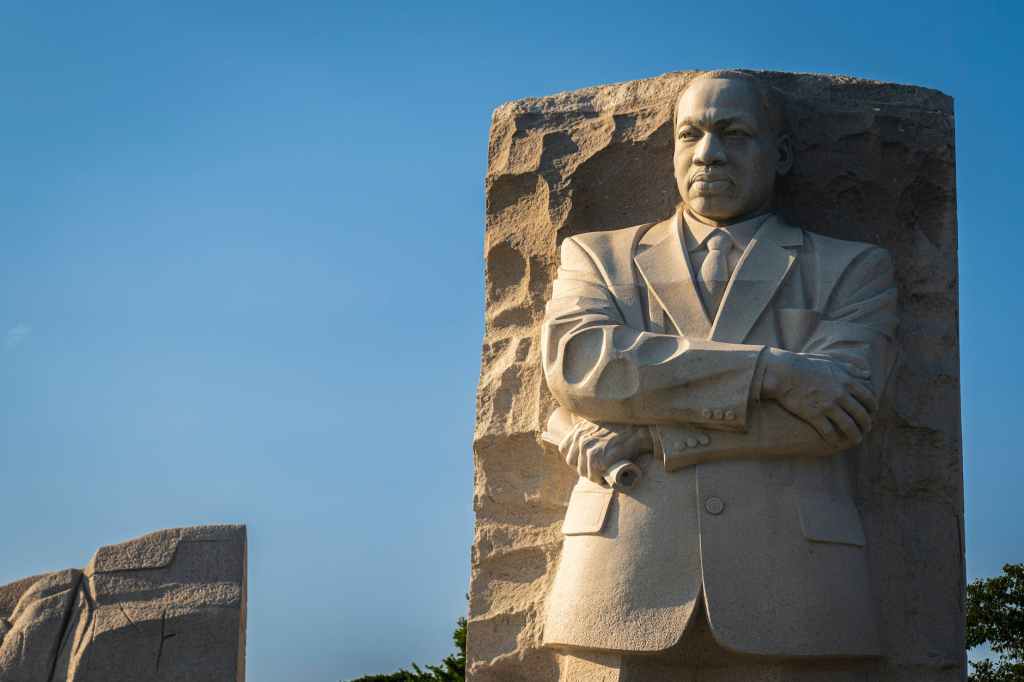
Martin Luther King Jr. Day, observed on the third Monday of January each year, is a federal holiday in the United States dedicated to honoring the life and achievements of civil rights leader Martin Luther King Jr.
The day not only serves as a time for reflection on the struggles for racial justice but also as an opportunity for individuals to engage in community service and activism.
Significance
Martin Luther King Jr. Day is a testament to the enduring impact of King’s vision for a more just and equal society. It celebrates his tireless efforts in advocating for civil rights, racial equality, and nonviolent protest. King’s leadership played a pivotal role in the American civil rights movement of the 1950s and 1960s, leaving an indelible mark on the fight against segregation and discrimination.
History
The movement to establish Martin Luther King Jr. Day as a national holiday began soon after King’s assassination on April 4, 1968. Steered by the persistent advocacy of Coretta Scott King, King’s widow, and the dedication of numerous activists, the campaign gained momentum throughout the 1970s and 1980s. The holiday was officially signed into law by President Ronald Reagan in 1983, and the first observance took place on Jan. 20, 1986.
Observance
Martin Luther King Jr. Day is observed with various events and activities across the country. Many people take part in volunteer and community service projects as a way of honoring King’s commitment to social justice. Educational programs, memorial services, and artistic performances are organized to reflect on his life and teachings. Additionally, communities may hold parades, discussions, and exhibits that highlight the ongoing work toward equality and justice.
Legacy
The legacy of Martin Luther King Jr. extends far beyond the observance of a single day. His iconic “I Have a Dream” speech, delivered during the March on Washington for Jobs and Freedom in 1963, remains a powerful symbol of the quest for equality. King’s commitment to nonviolent resistance, inspired by Mahatma Gandhi, continues to influence movements for justice worldwide.
Martin Luther King Jr. Day encourages individuals to consider their roles in fostering a more inclusive society. It prompts conversations about systemic racism, social justice, and the ongoing struggle for equality. Through its celebration, the day serves as a reminder of the progress made and the work that still lies ahead in building a world where individuals are judged not by the color of their skin but by the content of their character.
In conclusion, Martin Luther King Jr. Day stands as a day of remembrance, reflection, and recommitment to the ideals of justice and equality championed by one of the most influential figures in American history. It is a call to action, urging individuals to contribute to the ongoing pursuit of King’s dream of a society where all are afforded the same rights, opportunities, and dignity.
A legacy of justice cut short by tragedy
Martin Luther King Jr., born on Jan. 15, 1929, was a Baptist minister, social activist and one of the most prominent leaders in the American civil rights movement. His tireless efforts aimed to end racial segregation and discrimination through nonviolent protest. King played a pivotal role in the Montgomery Bus Boycott, the Southern Christian Leadership Conference, and the March on Washington, where he delivered his iconic “I Have a Dream” speech.
Tragically, on April 4, 1968, King was assassinated in Memphis, Tennessee. While standing on the balcony of the Lorraine Motel, he was struck by a single gunshot. The shocking event sent shockwaves across the nation and the world. James Earl Ray was eventually apprehended and pleaded guilty to the murder, although controversy and conspiracy theories have persisted over the years.
King’s untimely death marked a somber moment in American history, but his legacy endures. The struggle for civil rights and equality that he championed lives on, influencing generations of activists and serving as a beacon for justice and human rights globally.





 It's Christmas 365