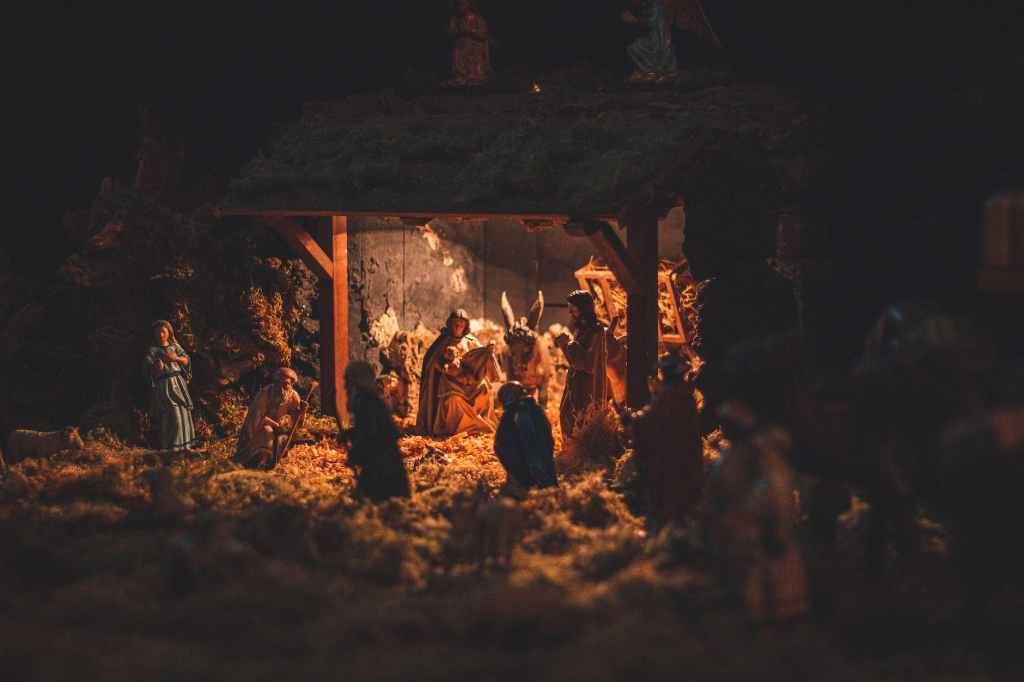
Orthodox Christmas, celebrated by Eastern Orthodox Christians, is a joyous occasion observed on Jan. 7. Distinct from the widely recognized Dec. 25 celebration, Orthodox Christmas holds unique historical, cultural and religious significance. Let’s delve into the origins, religious aspects and the celebration of Orthodox Christmas — both globally and within the United States.
Historical origins
Orthodox Christmas adheres to the Julian calendar, tracing its roots to the ancient Julian calendar established by Julius Caesar. The Julian calendar differs from the Gregorian calendar, used by most of the world, which was introduced by Pope Gregory XIII in 1582 to align the calendar year more closely with the solar year. The split in Christmas observances arose due to this calendrical difference, with Eastern Orthodox Churches maintaining the Julian calendar.
Religious significance
Orthodox Christmas celebrates the birth of Jesus Christ, embodying the spiritual essence of the Nativity narrative. The liturgical practices associated with Orthodox Christmas include special services, prayers, and hymns that focus on the Incarnation and the divine significance of Christ’s birth. The religious aspect of Orthodox Christmas extends beyond the day itself, encompassing a festive season of preparation and spiritual reflection.
Global celebrations
Orthodox Christmas is widely celebrated in Eastern Europe, the Middle East, and parts of Africa, with notable festivities in countries like Russia, Greece, Serbia, Egypt and Ethiopia. Traditions vary across regions, blending cultural customs with religious practices. In Russia, for instance, the holiday is marked by the Grandfather Frost (Ded Moroz) and his granddaughter, the Snow Maiden (Snegurochka), who bring gifts to children. In Greece, it is customary to observe the holiday with a special meal, including traditional dishes like Christopsomo, a sweet bread.
Orthodox Christmas in the United States
The United States, with its diverse religious landscape, is home to a significant Orthodox Christian community. While Christmas celebrations in the U.S. are predominantly based on the Dec. 25 date, many Orthodox Christians maintain their unique observance on Jan. 7. Churches across the country hold special liturgical services, including the Midnight Office and the Divine Liturgy, to commemorate the birth of Christ. The celebration often brings together families and communities for festive meals, cultural events, and the exchange of traditional greetings.
Cultural blends and traditions
In the U.S., Orthodox Christmas celebrations seamlessly blend cultural traditions with religious observances. Families of Eastern European, Greek, Russian or Middle Eastern descent may incorporate specific customs into their festivities. Traditional foods, such as pierogies, baklava or borscht, play a central role in these celebrations, connecting participants to their cultural roots while expressing joy for the birth of Jesus.




 It's Christmas 365