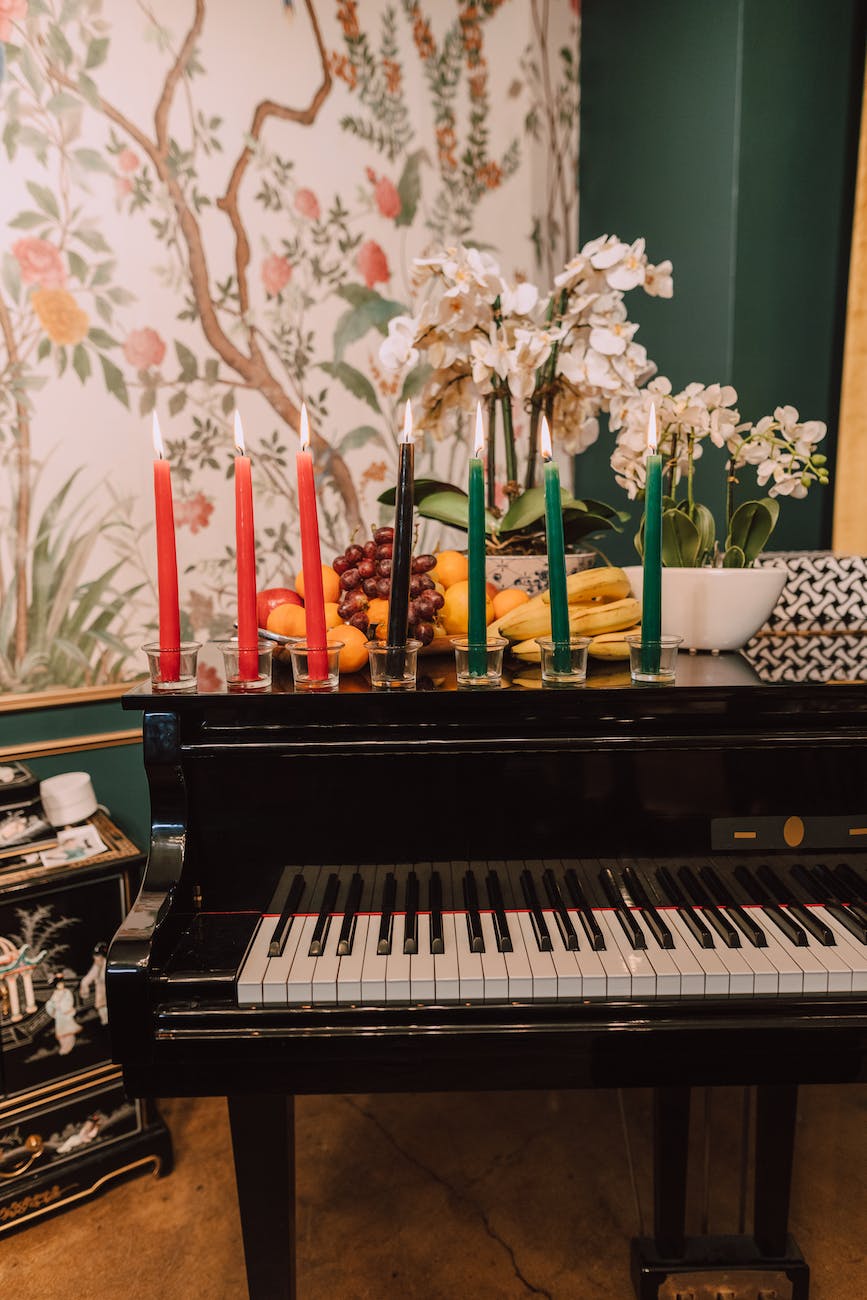
Kwanzaa, a vibrant and culturally rich holiday, was founded in the United States in 1966 by Maulana Karenga, a professor of African Studies and a prominent cultural activist. Derived from the Swahili phrase “matunda ya kwanza,” which means “first fruits,” Kwanzaa is a celebration that honors African heritage, unity, and community.
Observed from Dec. 26 to Jan. 1, Kwanzaa brings together African diaspora communities to commemorate and celebrate seven core principles known as the Nguzo Saba. These principles include Umoja (Unity), Kujichagulia (Self-Determination), Ujima (Collective Work and Responsibility), Ujamaa (Cooperative Economics), Nia (Purpose), Kuumba (Creativity), and Imani (Faith). Each day of Kwanzaa is dedicated to one of these principles.
Kwanzaa’s origins lie in the desire to provide a meaningful and culturally rooted alternative to the commercial aspects of Christmas. Karenga sought to create a holiday that could serve as a unifying force for African Americans and people of African descent worldwide.
The celebration involves the lighting of the Kinara, a candleholder with seven candles that represent the principles of Kwanzaa. Additionally, participants partake in the Karamu, a communal feast, and engage in artistic expression, storytelling, and other cultural activities.
Kwanzaa is not a religious holiday but rather a cultural one, fostering a sense of identity, pride, and solidarity. Families and communities come together to reflect on the past, celebrate the present, and envision a future grounded in unity and shared values.
While Kwanzaa is widely celebrated within African-American communities, it is open to anyone interested in honoring African heritage and promoting principles that cultivate a sense of community, purpose, and creativity. In essence, Kwanzaa is a joyous and inclusive celebration that pays homage to African roots, fostering a sense of unity, purpose, and cultural pride.





 It's Christmas 365