The 1920s, known as the Roaring Twenties, were a decade marked by cultural dynamism, economic prosperity, and the embrace of modernity. Christmas during this time reflected the exuberance of the era, blending traditional celebrations with the influence of Jazz Age flair.
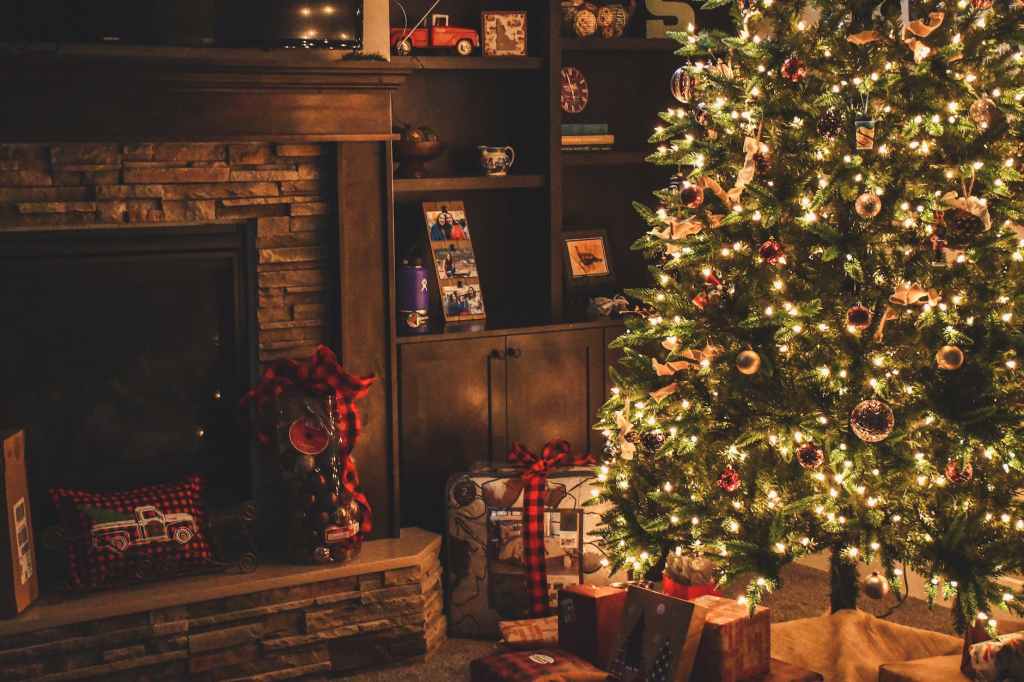
Christmas decorations in the 1920s experienced a shift towards a more modern and glamorous aesthetic. The decade witnessed the popularization of electric Christmas lights, replacing the previously used candles on trees. Tinsel, metallic ornaments, and glass baubles adorned Christmas trees, contributing to a glitzy and opulent ambiance. The emergence of Art Deco design elements influenced holiday decor, with geometric shapes and bold colors becoming fashionable.
Gift-giving during the 1920s was influenced by the growing consumer culture. The exchange of lavish and sophisticated gifts became a symbol of prosperity. Art Deco jewelry, fashionable accessories, and modern gadgets of the time, such as radios and vacuum cleaners, found their way under Christmas trees. The idea of giving “the latest and greatest” became a prevalent theme.
The influence of popular culture, particularly music and dance, permeated Christmas celebrations in the 1920s. Jazz, the defining sound of the era, set the tone for festive gatherings. Dance parties featuring the Charleston and the Foxtrot became integral to Christmas festivities, as families and friends celebrated with newfound enthusiasm.
The 1920s marked the rise of the radio, and Christmas broadcasts became a popular form of entertainment. Families tuned in to hear festive music, live performances, and holiday stories, fostering a sense of unity and shared experiences.
Despite the changing times, traditional elements of Christmas endured. Family gatherings, festive feasts, and community caroling remained integral to the holiday season. The spirit of giving and goodwill prevailed, symbolizing a collective desire for joy and connection during a transformative decade.
Christmas in the 1920s was a vibrant tapestry, weaving together the opulence of the Jazz Age with the enduring warmth of traditional celebrations. The era’s unique blend of modernity and nostalgia created a festive atmosphere that echoed the cultural vibrancy of the Roaring Twenties.




 It's Christmas 365