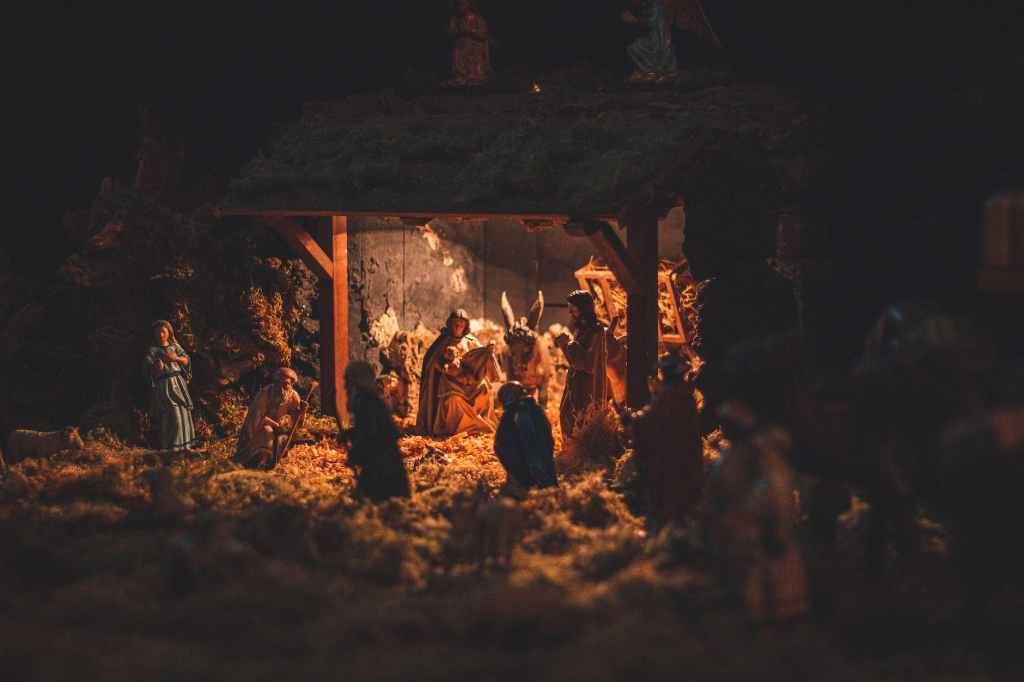
Las Posadas, a beloved Mexican Christmas tradition, unfolds as a vibrant reenactment of the journey of Mary and Joseph seeking shelter in Bethlehem. This festive celebration extends over nine nights, typically from Dec. 16 to 24, aligning with the Advent season.
Rooted in Catholicism and Spanish colonial influence, Las Posadas translates to “The Inns” or “The Lodgings.” The tradition dates back to the 16th century when Spanish missionaries sought to impart Christian teachings to indigenous communities in Mexico. Over time, Las Posadas evolved into a cultural and religious spectacle.
Each night, a procession led by individuals portraying Mary and Joseph winds its way through neighborhoods, accompanied by a crowd of participants. The procession stops at designated homes or inns (posadas) where the hosts, often dressed as innkeepers, symbolically deny entry to Mary and Joseph. Traditional songs, known as villancicos, are sung during these stops, with the procession repeating the rejection and acceptance ritual.
On the final night, Christmas Eve, the procession reaches the designated inn, where Mary and Joseph are finally welcomed. A heartfelt celebration ensues, featuring prayers, carols, festive food, and the breaking of piñatas. The piñata, often shaped like a star, symbolizes the Star of Bethlehem that guided the Magi to the infant Jesus.
Las Posadas serves as a powerful blend of religious observance and community spirit. It fosters a sense of solidarity, as participants join in the reenactment, sharing in the symbolic journey of Mary and Joseph. The tradition encapsulates the themes of hospitality, perseverance, and the anticipation of the birth of Jesus.
In modern times, Las Posadas has expanded beyond Mexico, embraced by communities across the Americas. It stands as a testament to the enduring cultural richness of Christmas celebrations, echoing the timeless message of hope, hospitality, and the communal journey towards the radiant light of Christmas Day.




 It's Christmas 365