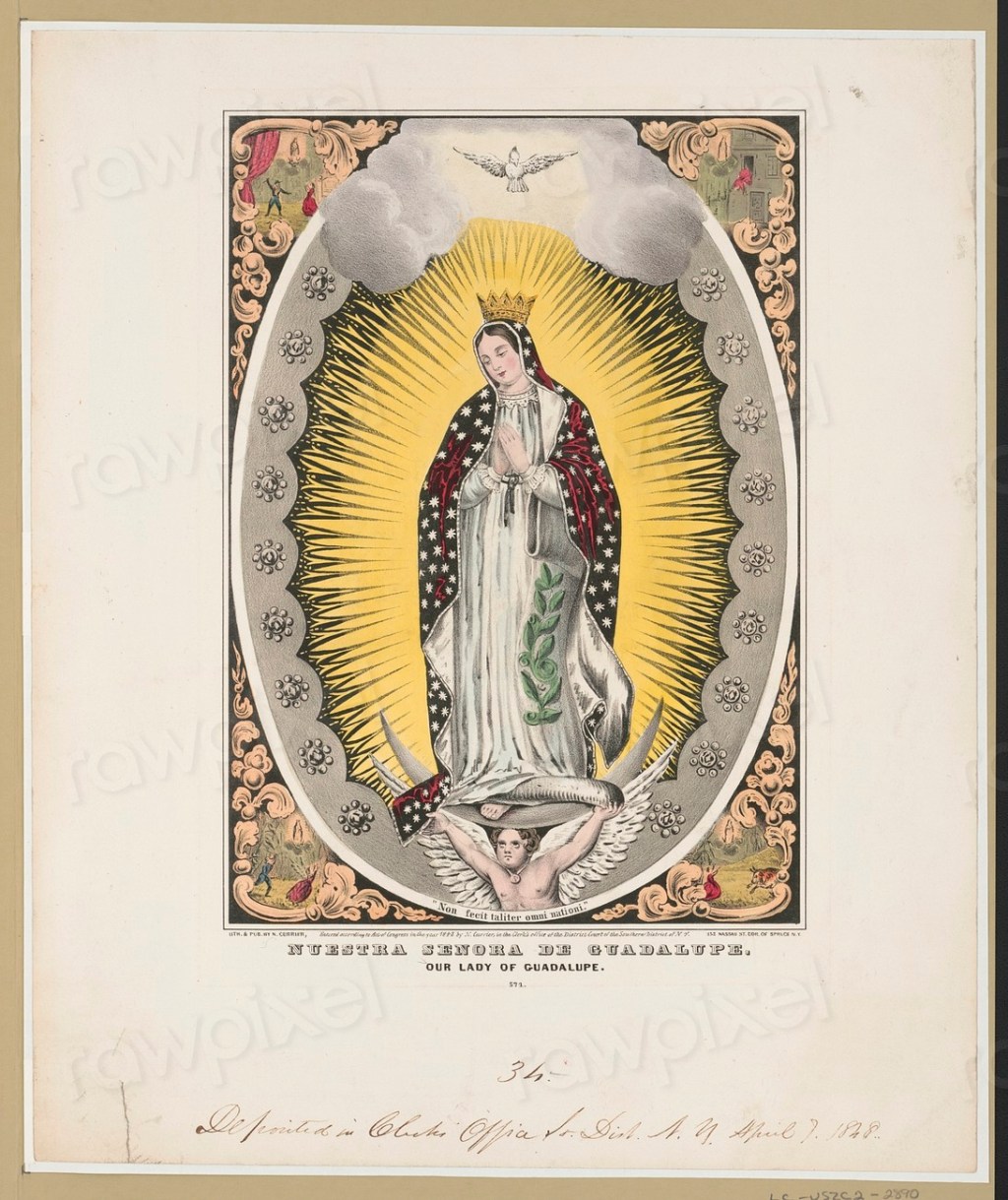
The Feast Day of Our Lady of Guadalupe, celebrated on Dec. 12, holds profound significance in the hearts of millions, particularly within the Mexican and Latin American communities. This day commemorates the appearance of the Virgin Mary to Juan Diego, an indigenous peasant, near Mexico City in 1531.
According to the legend, as Juan Diego encountered the Virgin Mary on Tepeyac Hill, she left an imprint of her image on his cloak, or “tilma.” This miraculous image, now enshrined in the Basilica of Our Lady of Guadalupe, became a powerful symbol of hope, faith, and unity.
The Feast Day of Our Lady of Guadalupe is marked by vibrant celebrations, including processions, Masses, and traditional dances. Families gather to honor La Virgen Morena, the Brown Virgin, with prayers, music, and feasts.
For many, Our Lady of Guadalupe represents a source of comfort and inspiration, especially during challenging times. Her image is a reminder of the divine presence amidst adversity, fostering a sense of unity and shared cultural identity.
Beyond its religious significance, this feast day has transcended borders and cultural boundaries, becoming a symbol of resilience and solidarity. Pilgrims from diverse backgrounds travel to the Basilica, seeking solace and expressing their devotion to La Virgen.
The Feast Day of Our Lady of Guadalupe serves as a poignant reminder of the enduring power of faith, cultural heritage, and the universal themes of hope and compassion. In celebrating this day, communities come together to honor a sacred figure whose message of love and acceptance resonates across generations and continents.





 It's Christmas 365